

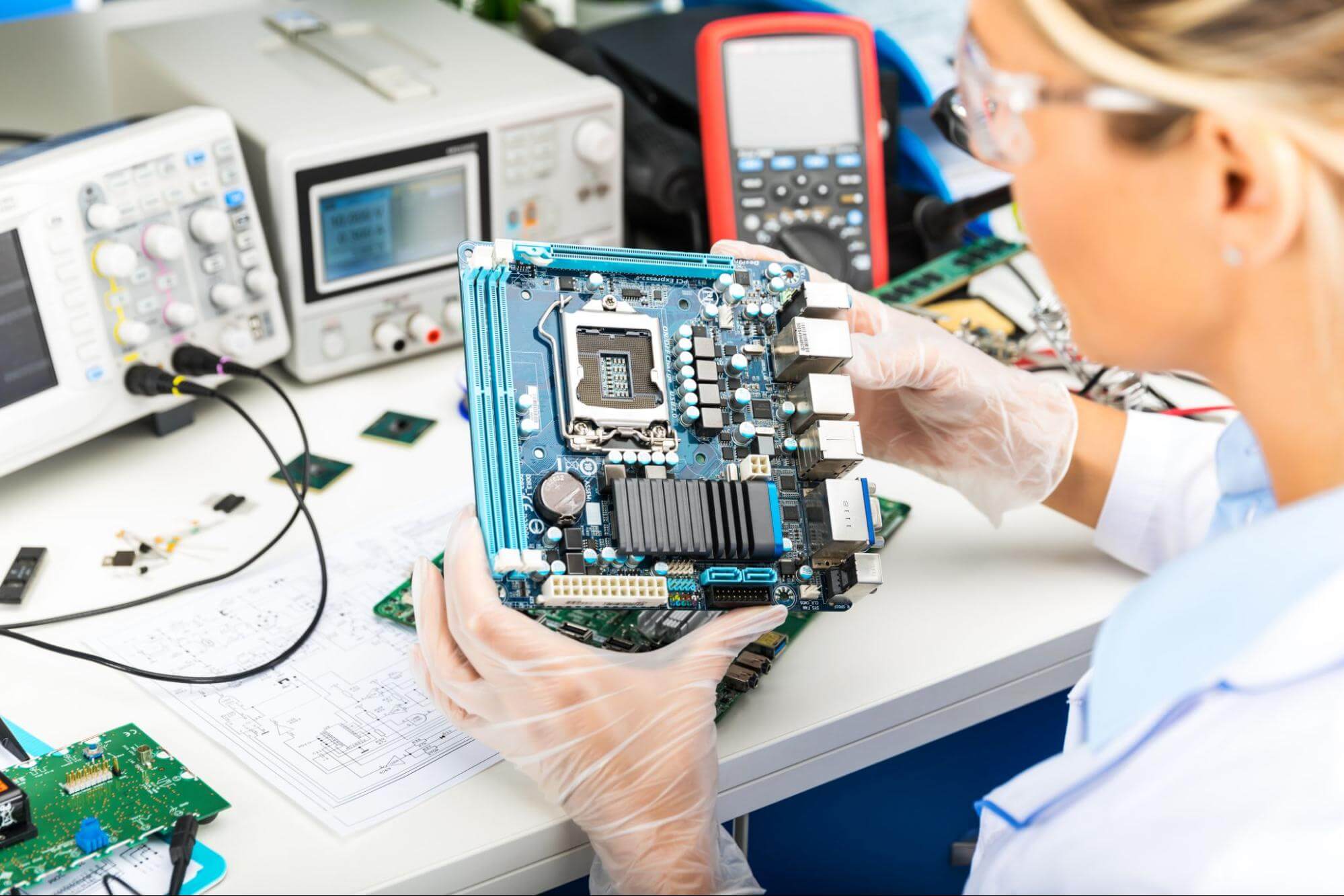
Designing and building a new electronic device requires far more than a clever idea. Successful electronic product design and manufacturing relies on structured engineering, disciplined quality systems, and manufacturing capability that supports reliability at scale.
Whether you are developing industrial control systems, medical devices, defence electronics, or advanced commercial products, understanding how electronic product manufacturing works will help you reduce risk, control cost, and improve long term performance.
1. Defining the Product Requirements
Every successful project begins with clarity.
Before schematics are drawn or components selected, teams must define:
- Functional requirements
- Performance expectations
- Operating environment
- Power constraints
- Compliance requirements
- Target production volumes
In high-reliability sectors such as aerospace, defence, mining, and medical, this stage also considers lifecycle support and long-term maintainability. Strong front-end planning reduces redesign risk later in the electronic product design and manufacturing process.
2. System Architecture and Concept Development
Once requirements are confirmed, engineers develop the product architecture.
This stage determines:
- Processor and microcontroller selection
- Communication protocols
- Power regulation systems
- PCB layer stack up
- Thermal management strategy
- Firmware structure
System architecture decisions directly influence cost, scalability, and reliability. Poor early decisions can create signal integrity issues, overheating, or certification delays during electronic product manufacturing.
3. Schematic Design and PCB Layout
Schematic Design
Engineers convert system architecture into detailed electrical schematics.
Component selection must balance:
- Electrical performance
- Availability and supply chain stability
- Compliance requirements
- Long-term product support
Obsolescence planning is important when manufacturing electronic products intended for extended lifecycle use.
PCB Layout
PCB layout translates schematics into a manufacturable board.
This includes:
- Controlled impedance routing
- EMI and EMC mitigation
- Thermal management
- Component placement for automated assembly
- Design aligned with IPC standards
High-reliability environments may require IPC Class 2 or Class 3 compliance, depending on application. Precision at this stage directly affects production yield and long-term reliability.
4. Firmware and Embedded Software Development
Modern devices rely heavily on embedded systems.
Firmware development includes:
- Driver implementation
- Communication protocol integration
- Power management logic
- Error detection and diagnostics
- Security measures
Hardware and firmware must evolve together. Integration testing early in the electronic product design and manufacturing lifecycle reduces costly revisions later.
5. Prototyping and Validation
Before scaling to production, prototypes are built and tested.
Validation stages may include:
- Engineering validation testing
- Design validation testing
- Pre-production builds
Testing can assess:
- Electrical functionality
- Thermal performance
- Environmental resilience
- EMI and EMC compliance
Prototyping ensures the design performs as intended before full electronic product manufacturing begins.
6. Design for Manufacture
Design for Manufacture ensures a product can be built efficiently and consistently.
DFM reviews consider:
- PCB panelisation efficiency
- Assembly compatibility
- Inspection access points
- Stable component sourcing
- Process repeatability
Integrating DFM early reduces cost, improves yield, and shortens production timelines when manufacturing electronic products at scale.
7. Surface Mount Technology and Assembly
Most modern electronic product manufacturing relies on Surface Mount Technology.
The process typically includes:
- Solder paste application
- Automated component placement
- Reflow soldering
- Automated optical inspection
- X-ray inspection for complex boards
Precision equipment enables fine pitch placement and multilayer PCB assemblies. Facilities operating under ISO 9001 or AS9100 quality systems apply strict process control and traceability to maintain consistency across production runs.
8. Testing and Quality Assurance
Testing is embedded throughout the electronic product design and manufacturing lifecycle.
This may include:
- In circuit testing
- Functional testing
- Burn in testing
- Environmental stress screening
- Full batch traceability
High-reliability industries demand documented quality systems and auditable processes. Quality is not inspected into a product at the end. It is built in from the beginning.
9. Certification and Compliance
Many electronic products must comply with:
- EMC regulations
- Electrical safety standards
- Environmental requirements
- Industry-specific certifications
Planning for compliance during design reduces delays during electronic product manufacturing and market release.
10. Scaling to Production
Moving from prototype to volume production introduces new challenges:
- Supply chain continuity
- Forecasting accuracy
- Production stability
- Yield optimisation
- Continuous improvement
Successful electronic product manufacturing requires stable processes and strong collaboration between engineering and production teams.
The Importance of Structured Electronic Product Manufacturing
Electronic product design and manufacturing is not a single step. It is a structured process that moves from defined requirements through architecture, design, validation, compliance, and scalable production.
When manufacturing electronic products for industrial, medical, defence, or high-performance applications, precision engineering and certified quality systems are essential. The difference between a product that functions and one that performs reliably in the field often comes down to experience, process discipline, and integrated capability.
For organisations seeking dependable electronic product manufacturing, working with an experienced electronic products manufacturer that understands both advanced design and controlled production environments can significantly reduce risk and improve time to market. A structured approach to electronic product design and manufacturing ensures scalability, compliance, and long-term product reliability. Learn more about electronic product manufacturing by enquiring with us today.